
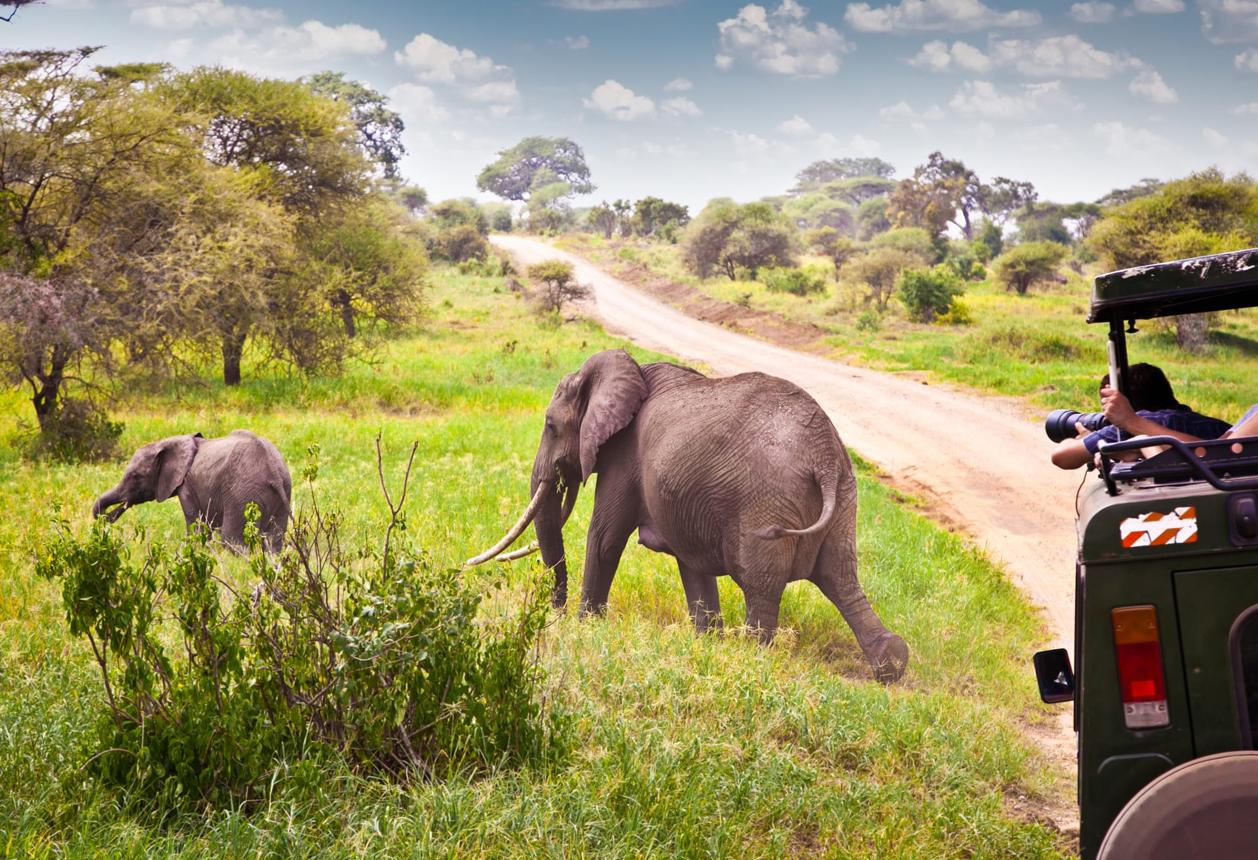
A safari can produce thousands of photographs.
But only a handful may tell the story you actually wanted to capture.
Great wildlife photography is not simply about finding an animal.
It is about understanding light, behaviour, composition and timing.
Chase the light, not just the animals
Early morning and late afternoon often produce beautiful safari light.
The sun sits lower in the sky.
Shadows become softer.
The landscape takes on warmer tones.
That is one reason experienced safari guides pay close attention to the time of day when planning wildlife drives.
Patience creates photographs
Imagine finding a leopard resting beneath a tree.
You could take one photograph and leave.
Or you could wait.
Perhaps it stands.
Perhaps it yawns.
Perhaps it begins walking.
Perhaps it suddenly looks directly toward the vehicle.
The difference between an ordinary wildlife photograph and a memorable one can be a few minutes of patience.
Think beyond portraits
A great safari photograph does not always need to fill the frame with an animal.
Try environmental compositions.
Place an elephant against Mount Kilimanjaro.
Capture giraffes beneath an enormous sky.
Photograph a lone animal surrounded by the landscape.
Show the relationship between wildlife and habitat.
These images tell a much bigger story.
Choose the right safari vehicle experience
Photographers should discuss their priorities before booking.
A specialist safari can be structured around longer wildlife encounters, flexible timing and locations suited to photography.
Your guide matters
One of the most valuable pieces of equipment on safari is not your camera.
It is your guide.
A knowledgeable guide understands animal behaviour, tracks, terrain, light and positioning.
That knowledge can turn a good sighting into an unforgettable photograph.